Featured
Table of Contents
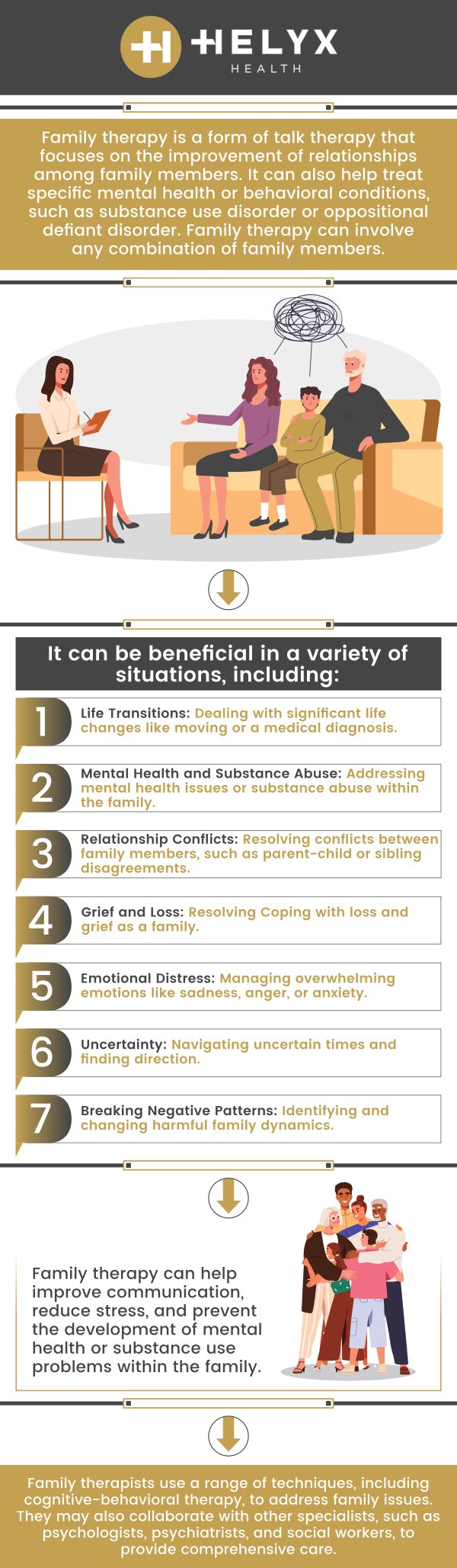
New! Numerous healing techniques and methods can be tailored to the specific needs and characteristics of the family. Families might look for treatment for various reasons, including: problems communicating successfully might lead to misconceptions, conflicts, or continuous arguments.
chronic health problem or disability might call for coping approaches, duty changes, and stress monitoring. addressing the effects of past injury or misuse within the household system often calls for specialist treatment to heal and restore depend on. enhance connections, boost communication abilities, and cultivate a much healthier household atmosphere. Therapy gives a risk-free space for family members to discover their dynamics, boost understanding, develop much healthier patterns, and find out effective approaches to handle obstacles.

The performance of a family therapy session relies on a number of crucial ideas and practices that cultivate an environment conducive to meaningful engagement and progress. Fundamental in family therapy, this first action includes producing a risk-free and non-judgmental space where each family participant feels comfortable expressing themselves.
Engaging Guardians in Youth Counseling
Show real understanding and compassion toward each household member's experiences and feelings. Ensure household participants their personal privacy is valued and describe the significance of confidentiality.
Concentrate on: Promote an environment where member of the family attentively listen without disrupting or evaluating each various other. Teach relative to duplicate what they've heard, making sure a clear understanding of each various other's point of views. Acknowledge and validate everyone's feelings, even if they vary from each other. Energetic listening fosters compassion, improves understanding, and reduces misconceptions promoting much healthier communication within the household.
Combat Community and Deployment Concerns
Make sure the goals are aligned with the household's requirements. Clear objectives provide instructions and focus throughout therapy, leading interventions and helping family participants track their progression.
This includes: Make certain all relative have the possibility to reveal their thoughts, beliefs, and feelings each session. Acknowledge and value each relative's input, highlighting the worth of their point of view. Make sure that nobody controls the discussion and encourage quieter relative to speak out. Motivating participation makes sure that all voices are listened to, advertises a sense of possession in the therapeutic procedure, and enhances the idea that everyone's contributions support favorable modification.
If you utilize these techniques, you will assist in an extra reliable and impactful therapeutic trip. The first session serves as an introduction to you and the therapeutic procedure. Permit each family members member to introduce themselves, sharing their reason for seeking treatment and their assumptions.
Integrated Care for Substance Use and Mental Health
3. Gather details about household dynamics, connections, and worries. Determine toughness and obstacles within the family members. 4. 5. Review the family members's desires. What does the family members intend to obtain out of therapy? 6. 7. Discuss the therapy procedure, privacy, roles of household participants, and the commitment required for development. 8.
Ask the adults to finish and authorize any kind of permission or launch types, as well as any type of various other essential documents. Develop a framework that assists in efficient interaction, problem-solving, and progress toward therapeutic goals. To recognize each family member's emotional state and problems, start the session by enabling each member to briefly share their present ideas, sensations, and any updates.
3. Collaboratively establish the focus for the session and identify pushing concerns that call for conversation. This action makes certain that every person feels listened to and that the session addresses relevant problems. 4. 5. Recap goals and evaluate the progress made to track the family members's progression and recognize what needs to be resolved.
Bereavement and Trauma
5. Produce a secure setting where each relative really feels comfortable revealing themselves. Motivate respectful interaction and aid members comprehend each other's viewpoints. 6. 1. Evaluation the main understandings, conversations, and verdicts reached during the session. This strengthens vital takeaways and guarantees everybody is on the very same page. 2. 3.
Right here are much more ideas: 1. 2. Foster an environment where each family member feels risk-free, accepted, and respected despite their perspectives or actions. Demonstrate genuine empathy by actively paying attention and confirming the feelings and experiences expressed by each member of the family. Develop clear guidelines for communication, considerate actions, and session participation.
Psychiatric Medication and Therapy Integration
It can assist moms and dads and caregivers recognize the causes of bothersome habits and establish strategies to resolve it. Families frequently encounter difficulties during significant life changes such as separation, loss, or moving. Household therapy can provide assistance and advice to aid families adapt to these modifications and browse them with greater ease.
This can have a favorable influence on the mental and emotional health of all member of the family. Including the family in the treatment procedure produces a much more helpful setting for members taking care of problems like depression or addiction. By addressing and solving problems and dysfunction, household therapy can help protect against future troubles and promote much healthier connections.
1. 2. Emphasis on creating a solid therapeutic partnership with the family. This involves: Structure trust fund with each family members participant. Teaming up with the household to develop clear, specific, and attainable therapy objectives that are aligned with the family's problems and inspirations for seeking therapy. Make clear the roles of each relative while discussing the therapeutic procedure and going over the commitment required for development.

Latest Posts
Understanding Erotic Wounds Through Healing Betrayal with Family Therapy
Success Rates with Ketamine
Male Obsessive-Compulsive Disorder Approaches