Featured
Table of Contents
- – The Trouble with Typical Weekly Treatment
- – What Makes EMDR Intensives Different
- – The Integrative Strategy: Why Numerous Modalit...
- – That Benefits A Lot Of from EMDR Intensives
- – What Actually Takes Place in an Extensive
- – The Scientific Research Behind Accelerated Pro...
- – Assimilation After the Extensive
- – Key Phrases and Search Terms
- – Deciding
You've been in therapy for months-- maybe years. You comprehend your trauma intellectually, you've discovered dealing abilities, yet the weight hasn't lifted. Causes still pirate your nerves. Relationships continue to be tough. The past keeps intruding on the existing despite your best efforts to "procedure" it once a week for 50 minutes.
This is where EMDR extensive therapy fundamentally changes the formula.
The Trouble with Typical Weekly Treatment
Weekly sessions benefit some problems, yet injury doesn't adhere to a hassle-free 50-minute schedule. When you're managing complicated PTSD, accessory injuries, or deeply embedded distressing memories, the stop-start nature of typical therapy can actually slow recovery.
You spend the first 15 mins reconnecting with your specialist and coming back right into vulnerable area. You process for possibly 20 mins. You have to cover up, placed whatever back in its box, and return to routine life-- usually still turned on, with no time for full handling.
By the time following week arrives, your nerve system has altered to baseline. You're beginning over, building momentum once again, only to quit after less than an hour. For intricate trauma, this strategy can take years with step-by-step progress.
What Makes EMDR Intensives Different
EMDR extensive therapy at Pittsburgh Center for Integrative Therapy condenses what could take months into focused, successive days of therapy. Rather than 50-minute regular sessions, you take part in 3-4 hour sessions daily over a period varying from half a day to five days.
This prolonged format allows your brain to remain in processing mode. You're not regularly quiting and reactivating-- you're preserving healing momentum. The bilateral excitement that makes EMDR efficient continues across continual periods, enabling deeper reprocessing of terrible product.
Customers regularly report developments in extensive styles that thwarted them in typical therapy. The immersive nature removes you from everyday interruptions and responsibilities, producing committed room for healing work. You're not rushing from therapy to a job conference or getting youngsters from school while still emotionally activated.
The Integrative Strategy: Why Numerous Modalities Issue
What differentiates Pittsburgh Center for Integrative Therapy from conventional EMDR service providers is the sophisticated assimilation of corresponding methods. Injury influences mind, body, and relational patterns-- recovery requires resolving all three.
Internal Family Members Equipment (IFS) recognizes that different parts of your mind hold various facets of trauma. One part may prepare to procedure while an additional feels protective or resistant. IFS work during intensives helps coordinate these internal parts, reducing internal problem that often stalls typical treatment.
Sensorimotor Psychotherapy brings body-based understanding into trauma processing. Injury stays in the nerves and body, not just cognitive memory. Somatic interventions assist launch stuck survival energy-- the fight, trip, or freeze feedbacks that never finished. Between EMDR handling rounds, activity and body-based grounding guarantees you're not simply mentally processing yet physically releasing held tension.
Mentally Concentrated Treatment (EFT) concepts inform how accessory injuries are attended to. Many trauma patterns come from early relational experiences. EFT-informed intensive work helps recycle these accessory injuries, creating brand-new internal designs of security and connection.
Cognitive Handling Treatment (CPT) aspects deal with the stuck beliefs that trauma creates. "I'm not risk-free," "I can't rely on any person," "It was my fault"-- these cognitive distortions need straight interest. CPT methods integrated into intensives target these beliefs systematically.
Protected Protocol (SSP) makes use of auditory excitement to regulate the nerve system via the vagus nerve. This creates physical security that supports deeper injury processing. When your anxious system feels secure at an organic degree, you can access and process memories that would otherwise remain defended.
That Benefits A Lot Of from EMDR Intensives
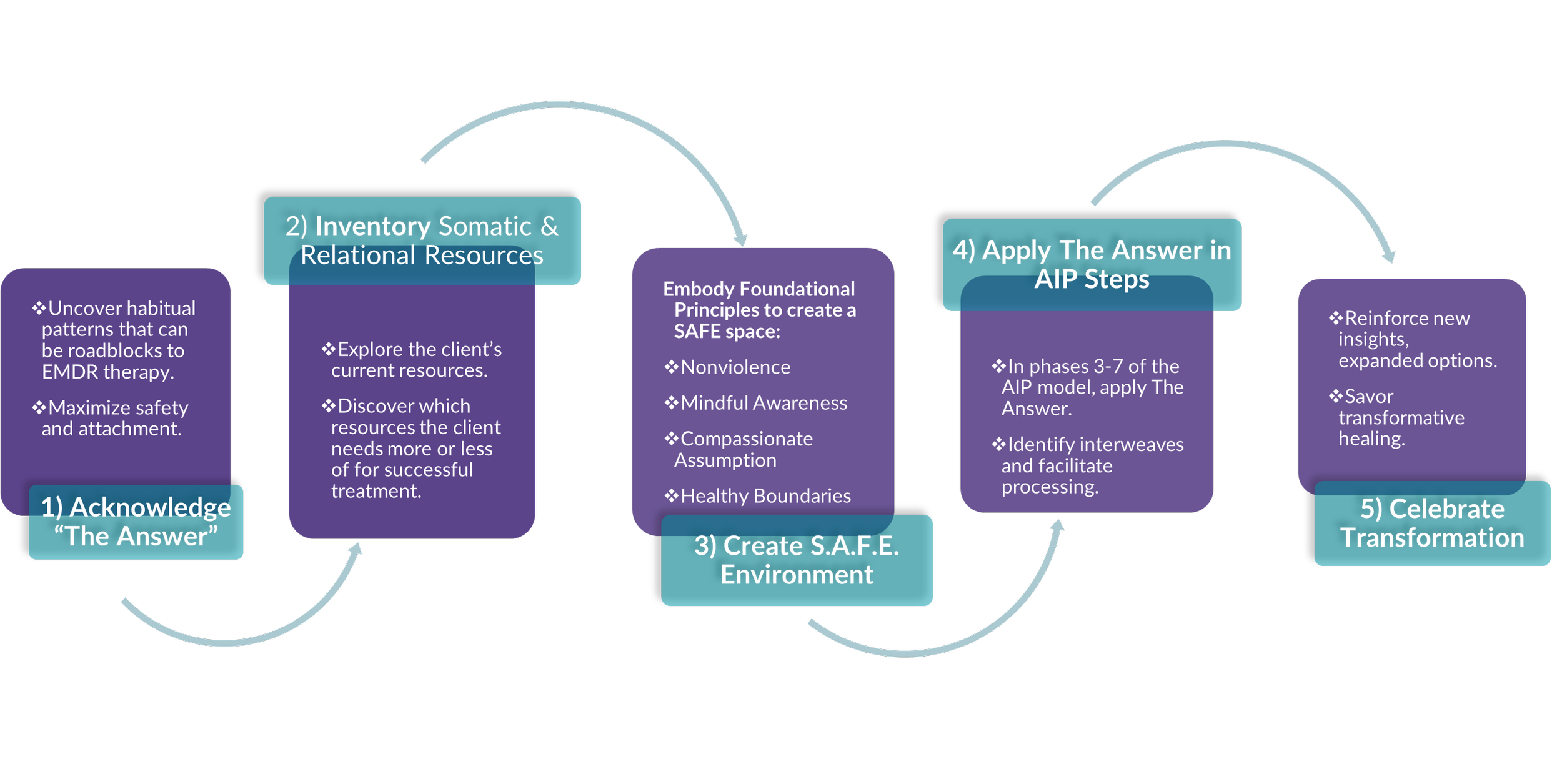
Extensive EMDR therapy especially aids individuals with single-incident trauma (crashes, attacks, natural calamities) seeking quick resolution, complicated PTSD from prolonged or numerous traumas, attachment injury influencing adult relationships, dissociative signs that piece experience, treatment-resistant trauma where conventional treatment hasn't worked, and busy experts that can devote intensive time yet deal with recurring regular dedication.
The layout likewise suits individuals who've "hit a wall" in traditional treatment-- where insight is there but psychological alleviation stays evasive. The sustained handling of intensives frequently damages with these restorative plateaus.
What Actually Takes Place in an Extensive
EMDR intensives aren't simply longer treatment sessions-- they're meticulously structured experiences. Each day typically consists of prep work and grounding to ensure nerve system preparedness, prolonged EMDR handling sessions targeting specific memories, somatic combination utilizing activity and breathwork, IFS work to address safety components, and skills developing for emotional guideline and distress tolerance.
Between processing rounds, you take part in grounding activities that assist integrate what's changing. This could consist of walking, mild movement, breathing exercises, or attaching with supportive sources. The extensive format enables time for your system to settle after intense handling-- something impossible in 50-minute sessions where you leave still activated.
Pittsburgh Facility for Integrative Treatment customizes each intensive to private demands. Some clients profit from half-day formats, others call for several successive days. The framework adjusts based upon trauma intricacy, anxious system capability, and therapy objectives established during preliminary appointment.
The Scientific Research Behind Accelerated Processing
Research constantly shows EMDR's effectiveness for trauma, with extensive styles revealing even stronger outcomes. The bilateral excitement utilized in EMDR-- eye motions, tapping, or acoustic tones-- turns on the mind's all-natural info handling system.
When injury occurs, memories can get stuck in implicit memory networks, staying unprocessed and causing present-day reactions. EMDR assists move these memories into specific memory where they're contextualized as "previous" as opposed to "present danger."
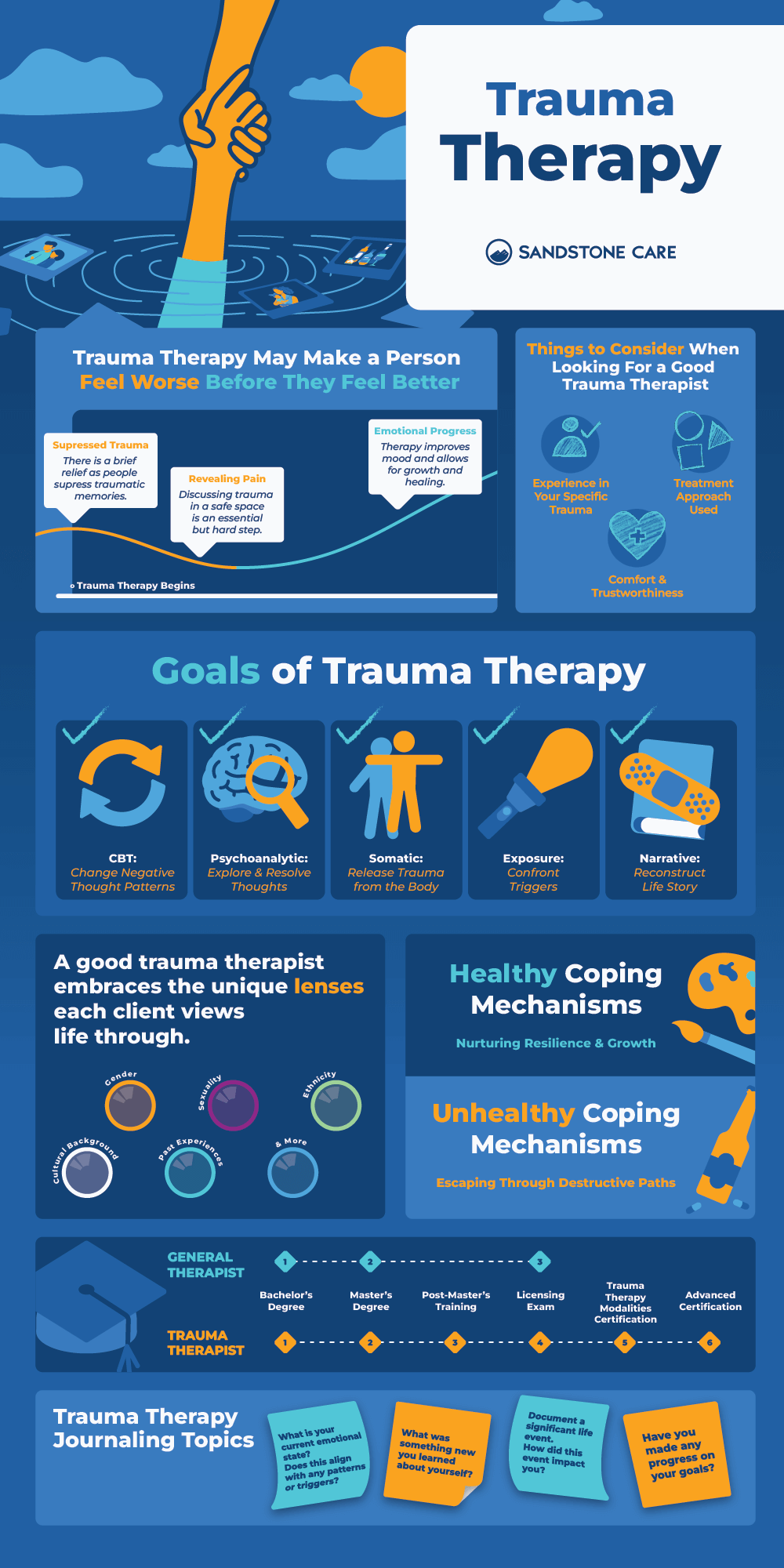
The extensive layout intensifies this by preserving reciprocal excitement across prolonged durations, allowing even more total processing of stressful memory networks. Researches show intensive EMDR generates substantial sign reduction in much shorter timeframes contrasted to weekly sessions-- usually attaining in days what takes months in traditional styles.
Assimilation After the Extensive
The work doesn't end when the extensive wraps up. Pittsburgh Facility for Integrative Therapy supplies combination assistance to assist maintain gains. This may consist of follow-up sessions to refine added material that appeared, abilities mentoring for managing life post-intensive, somatic methods to maintain nervous system guideline, and connection to continuous assistance resources.
Many clients continue with less regular upkeep sessions after intensives, using weekly therapy for combination rather than active injury handling. This produces an extra lasting long-lasting approach where the intensive deals with the hefty training and recurring sessions support ongoing growth.
Key Phrases and Search Terms
Pertinent terms include EMDR intensive therapy, injury extensive hideaway, sped up EMDR treatment, complex PTSD extensive, EMDR resort Pennsylvania, integrative injury treatment, somatic EMDR treatment, IFS and EMDR incorporated, injury therapy intensive, EMDR marathon sessions, quick trauma resolution, add-on injury extensive, and dissociation therapy intensive.
Deciding
EMDR intensives call for dedication-- monetary, temporal, and emotional. They're not ideal for everyone or every situation. Energetic situation, severe dissociation without adequate stabilization, or lack of outside support group might suggest the need for primary job first.
For individuals that have actually struggled with standard therapy pacing, who have details injury targets for resolution, or who require sped up therapy due to life scenarios, intensives use an effective alternative.
Pittsburgh Facility for Integrative Treatment's team brings over thirty years integrated experience, EMDRIA accreditation and training, and specialization in complicated injury and dissociation. The integrative strategy integrating EMDR, IFS, somatics, and various other evidence-based approaches addresses trauma's full influence-- cognitive, psychological, physical, and relational.
If you have actually been dealing with trauma for months or years without the relief you need, if you comprehend your past yet still really feel caught by it, or if your routine makes regular treatment unsustainable, extensive EMDR therapy may be the accelerated course to recovery you have actually been looking for.

Table of Contents
- – The Trouble with Typical Weekly Treatment
- – What Makes EMDR Intensives Different
- – The Integrative Strategy: Why Numerous Modalit...
- – That Benefits A Lot Of from EMDR Intensives
- – What Actually Takes Place in an Extensive
- – The Scientific Research Behind Accelerated Pro...
- – Assimilation After the Extensive
- – Key Phrases and Search Terms
- – Deciding
Latest Posts
Intergenerational Trauma in First-Generation Families
Discovering Body-Based Therapy After Months of Talk Therapy
Titration: Processing With Trauma Gently
More
Latest Posts
Intergenerational Trauma in First-Generation Families
Discovering Body-Based Therapy After Months of Talk Therapy
Titration: Processing With Trauma Gently